Adaptive Algorithms Matching Payout Cycles to Cash Flow Changes in No-Review Lending
Taylor Koch · Aug 6, 2026
Adaptive Algorithms Matching Payout Cycles to Cash Flow Changes in No-Review Lending
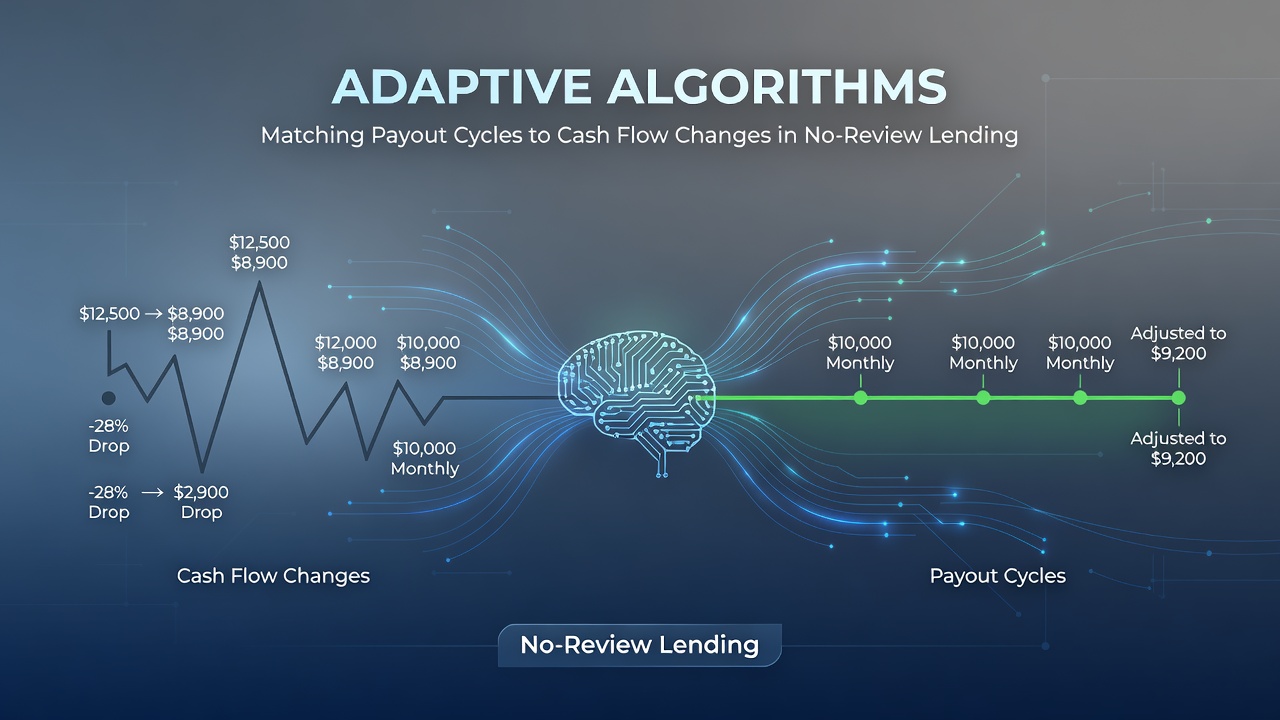
Financial technology platforms have developed systems that adjust repayment schedules according to real-time cash flow data in lending arrangements that bypass traditional credit evaluations, and these tools operate without requiring preliminary borrower reviews in many cases. Observers note that such mechanisms rely on incoming transaction records, bank account linkages, and automated signals to recalibrate due dates or installment amounts as income deposits and outflows shift.
Core Mechanisms Behind the Adjustments
Algorithms in these setups process incoming payment histories and expense patterns through continuous monitoring, which allows them to detect variations in available funds and modify payout timelines accordingly. Data from transaction feeds feeds directly into decision trees that predict short-term liquidity, and this process occurs without manual intervention or credit scoring inputs. Researchers at academic institutions have documented similar approaches in reports examining alternative credit products, where the focus remains on observable account activity rather than historical scores.
Take one platform that integrates direct bank connections to pull daily balance updates, and the system then flags periods of reduced inflows to extend intervals between payments or reduce individual amounts. Those who've studied these tools point out that the adjustments draw from patterns such as recurring payroll deposits or irregular freelance credits, which get matched against scheduled outflows like rent or utilities. According to analyses from the Consumer Financial Protection Bureau, such data-driven matching has expanded in segments of the lending market that avoid conventional underwriting.
Implementation Across Platforms in 2026
As of August 2026, multiple providers have rolled out versions of these algorithms that tie repayment cycles more tightly to live cash flow indicators, and this occurs in environments where approvals happen rapidly without credit checks. The tools scan for signals including deposit frequency, average balance stability, and seasonal spending spikes, then apply rules to shift due dates forward or backward. Industry reports from the Australian Securities and Investments Commission highlight comparable developments in non-traditional lending channels, where automated calibration helps align obligations with variable revenue streams.
One case involves a borrower whose weekly earnings fluctuate due to gig work, and the algorithm identifies a dip in deposits during a slow month before automatically spacing out the next several installments over additional weeks. This type of response relies on predefined thresholds that trigger when cash flow metrics cross certain levels, and the changes propagate without requiring borrower contact in most instances. Figures from regulatory filings show increased adoption of these features in products designed for users outside standard banking relationships.
Integration With Ongoing Support Channels
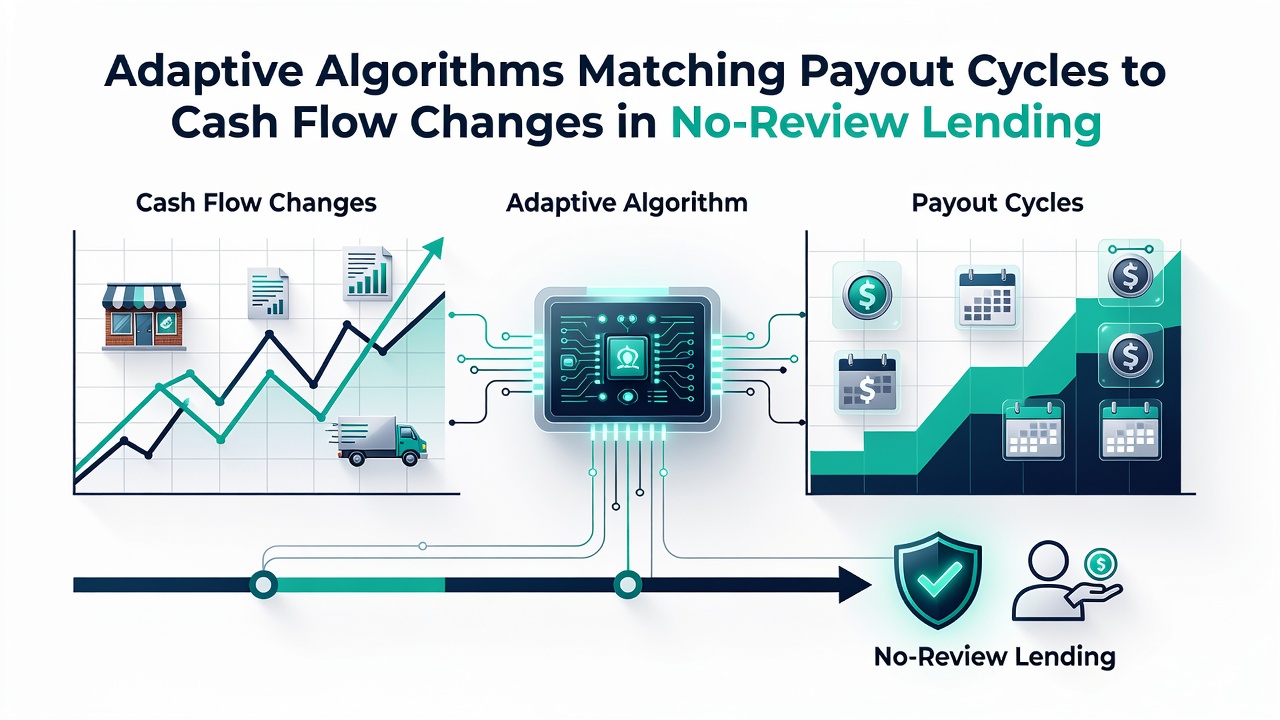
Support teams often complement the algorithmic layer by reviewing edge cases where automated signals conflict with borrower communications, yet the primary calibration stays with the software. Platforms combine these elements so that alerts about upcoming adjustments reach users through app notifications or email summaries, which detail the cash flow factors that prompted the shift. Studies from university economics departments have examined how such hybrid models affect repayment consistency in evaluation-free lending setups, and the findings center on measurable changes in on-time rates tied to timing flexibility.
What's notable is the way external data sources, including payroll APIs and expense categorization services, feed into the matching process to refine predictions over successive cycles. Observers have tracked instances where platforms update their models quarterly to account for broader economic indicators like regional employment trends, and this keeps the algorithms responsive to wider conditions while staying focused on individual account data. The approach avoids static schedules in favor of dynamic ones that reflect actual inflows and outflows.
Regulatory Context and Data Sources
Regulators in various regions have begun examining these adaptive systems for transparency in how decisions get made, and requirements often include disclosures about the data points used for adjustments. The European Banking Authority has issued guidance on algorithmic fairness in consumer credit products, which applies to certain no-review offerings that incorporate cash flow matching. Meanwhile, Canadian provincial oversight bodies track similar products for compliance with consumer protection standards around variable repayment terms.
Platforms must maintain records of the signals that drive each change, which allows audits to verify that modifications align with documented cash flow shifts rather than other factors. This documentation supports ongoing refinements as more transaction history accumulates for each user. Research from institutions such as the Federal Reserve Bank of New York has analyzed patterns in alternative lending data sets, revealing correlations between flexible cycle adjustments and sustained account activity over multi-month periods.
Conclusion
Adaptive algorithms continue to shape repayment structures in no-review lending by linking cycle changes directly to observed cash flow variations, and this occurs through automated processing of account-linked signals. The methods described here reflect documented practices in the sector as of August 2026, with platforms drawing from transaction patterns to execute adjustments that follow predefined rules. External links to regulatory and research sources provide further detail on implementation across different markets, and the overall framework emphasizes observable financial activity over traditional evaluation criteria.