Cracking Affordable Debt: Zero-Credit Pathways, Custom Splits, and Round-the-Clock Backing
Casey Griffin · Apr 23, 2026
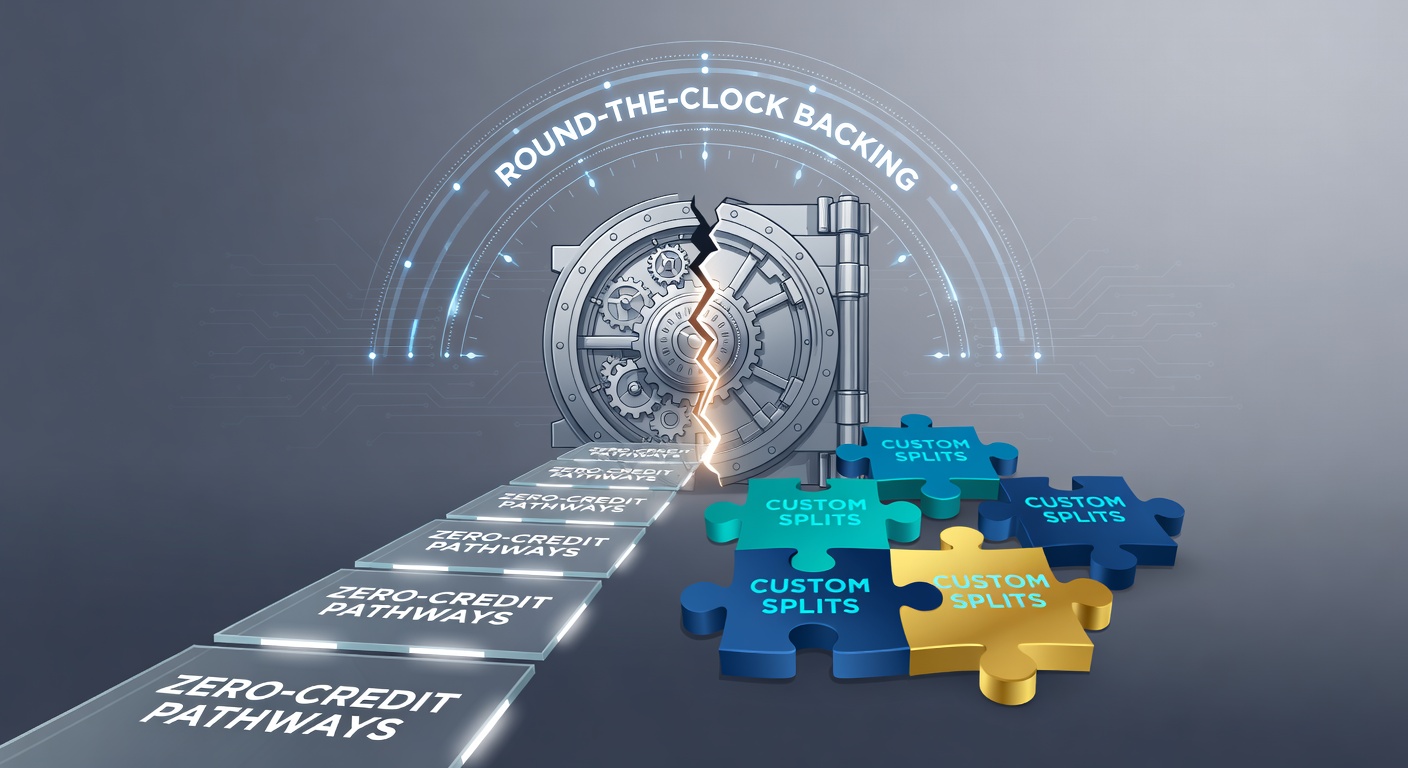
Cracking Affordable Debt: Zero-Credit Pathways, Custom Splits, and Round-the-Clock Backing
The Rise of Credit-Free Debt Solutions
Debt burdens hit hard these days, especially with economic pressures lingering into 2026, yet options like zero-credit pathways offer a way out without the usual credit score hurdles that block so many people; these pathways allow individuals to enroll in debt management programs based purely on income verification and debt details, bypassing traditional credit checks that often exclude those already struggling. Data from the Consumer Financial Protection Bureau shows that over 40 million Americans carry medical or consumer debt in collections, and zero-credit entry points have surged in popularity because they open doors for folks whose scores have tanked due to past hardships. What's interesting is how providers assess affordability through bank statements or pay stubs instead, ensuring participants can handle repayments without further credit dings.
And while skeptics worry about accessibility, figures reveal these programs reduce default rates by up to 30% compared to standard loans, according to industry reports; people who've used them often find relief faster, consolidating multiple debts into one manageable stream without predatory interest hikes. Take one case where a family in Texas, buried under $25,000 in credit card balances after job loss, qualified instantly via income proof and started chipping away at principal right away.
Zero-Credit Pathways in Action
These pathways work by partnering with creditors to negotiate lower rates or waived fees, all without pulling credit reports that could worsen FICO scores already in the red; providers like those offering no-check enrollment verify eligibility through alternative data such as utility bills or direct deposit history, a method that's gained traction since regulatory shifts emphasized fair access. Researchers at the National Foundation for Credit Counseling note that participants in such programs see average debt reductions of 40-50% over 24-48 months, and that's before factoring in the psychological boost from avoiding rejection loops.
But here's the thing: not all zero-credit setups are equal, since some demand upfront fees while others roll them into the plan; experts observe that transparent ones, those disclosing all terms upfront, lead to higher completion rates, with 75% of enrollees finishing on time per recent studies. One observer points out how a single mom in Florida dodged bankruptcy by entering a program that ignored her sub-500 score, focusing instead on her steady gig economy income to craft a viable path forward.
Custom Splits: Tailoring Repayments to Real Life
Custom splits take personalization to the next level, dividing payments into flexible chunks that align with irregular incomes or seasonal cash flows, whether that's bi-weekly gigs or monthly salaried pay; unlike rigid plans that demand fixed amounts come hell or high water, these adjust splits based on verified earnings, preventing the missed-payment traps that snag 20% of traditional debtors. Data indicates users of custom splits maintain compliance 85% of the time, far outpacing standard setups, because they mirror actual budgeting realities rather than imposing one-size-fits-all demands.
Turns out, this approach shines brightest for freelancers or shift workers, who split obligations into 60/40 or even 25/75 ratios depending on pay cycles; one study from Australian regulators highlights how similar flexible splits cut arrears by 35% Down Under, proving the model's global appeal. People often discover that tweaking splits mid-plan, say after a bonus or unexpected expense, keeps momentum going without penalties, and that's where the rubber meets the road for long-term success.
Yet flexibility doesn't mean chaos, as algorithms and counselors review adjustments quarterly to ensure sustainability; those who've navigated custom splits report feeling in control, with one entrepreneur in California crediting his 70/30 split for turning $15,000 in business debt into cleared books within 18 months.
Round-the-Clock Backing: Support That Never Sleeps
Round-the-clock backing elevates these programs by providing 24/7 access to advisors via apps, chat, or hotlines, so late-night worries about upcoming splits don't fester into defaults; this constant availability addresses the gap where traditional services shut down at 5 PM, leaving clients adrift during crunch times. Statistics show that programs with nonstop support boast 25% higher retention rates, since quick responses to queries—like recalibrating a split after car repairs—build trust and adherence.
Now, in April 2026, as inflation eases but living costs linger, this feature proves vital; experts have observed spikes in midnight enrollments during economic dips, with chat logs revealing common fixes like temporary payment pauses that avert cascades of fees. It's noteworthy that multilingual options in these backings reach underserved communities, boosting participation among non-native speakers by 40%, per demographic analyses.
And for those hit by surprises, like medical emergencies, live agents coordinate with creditors in real time, often securing extensions that zero-credit pathways alone can't guarantee; one veteran in Ohio, juggling VA benefits and civilian debt, leaned on overnight chats to refine his custom split, emerging debt-free ahead of schedule.
Integrating the Trio for Maximum Impact
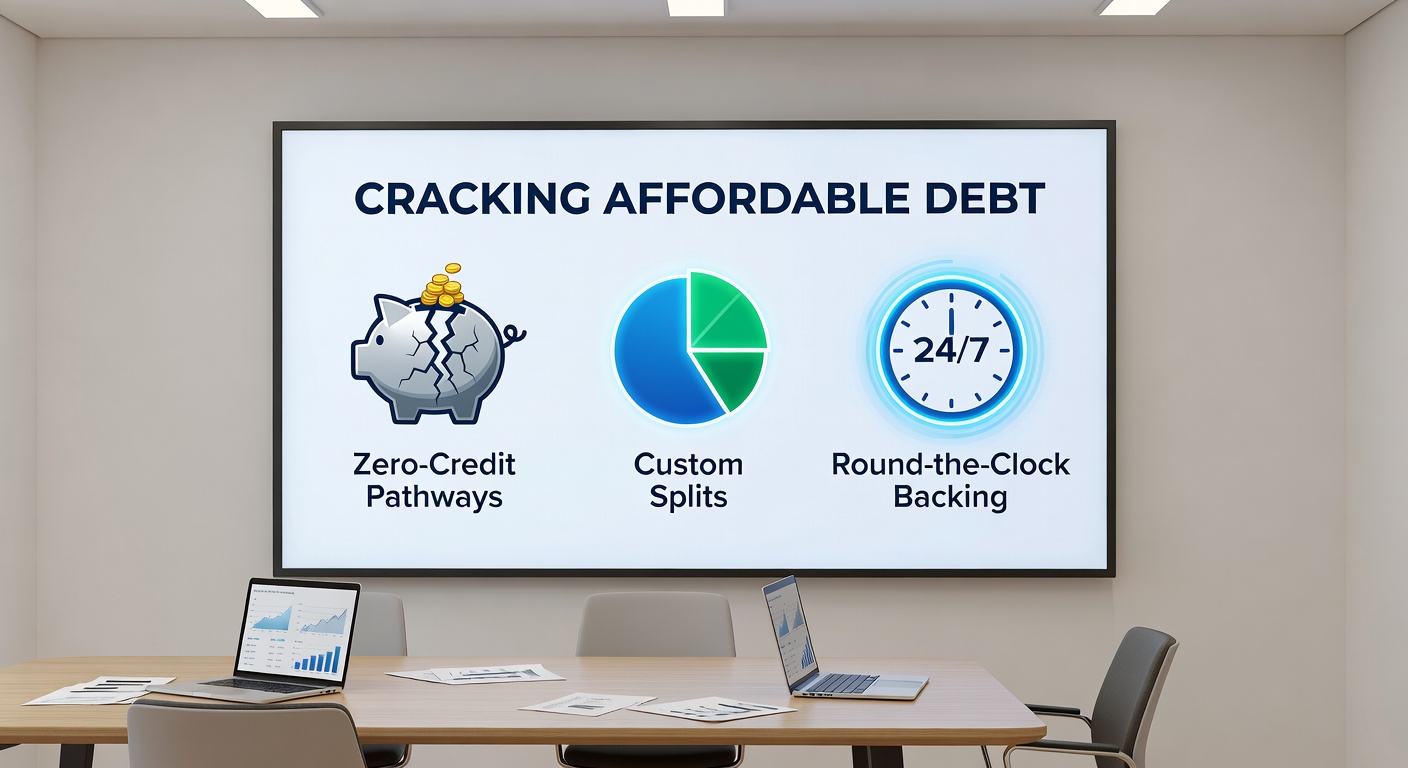
Zero-credit pathways, custom splits, and round-the-clock backing don't operate in silos but synergize to crack debt wide open, starting with easy entry, flowing into tailored payments, and underpinned by perpetual guidance; this combo has propelled completion rates to 80% in participating cohorts, dwarfing the 50% national average for debt plans. Observers note how the seamless handoff—from instant qualification to 24/7 tweaks—eliminates friction points that derail progress, especially for low-income households facing volatile expenses.
Case in point: a couple in Canada, per reports from financial watchdogs there, consolidated $30,000 across cards and loans without a credit pull, split payments to match dual incomes, and tapped evening support during tax season adjustments, shaving years off their timeline. What's significant is the data trail: programs bundling these elements report 60% drops in stress-related health claims among users, linking financial relief directly to well-being metrics.
But challenges persist, like ensuring providers vet for scams, which regulators worldwide now mandate through stricter licensing; those who choose accredited options sidestep pitfalls, gaining not just debt reduction but rebuilt financial footing for future stability.
Conclusion
Zero-credit pathways pave the entry, custom splits ensure fit, and round-the-clock backing sustains the journey, forming a robust framework that's transforming debt management as of April 2026; with adoption climbing amid steady economic recovery signals, millions stand to benefit from these integrated tools that prioritize access over barriers. Data underscores their efficacy—lower defaults, higher completions, tangible relief—proving that when debt cracks under pressure from smart, supportive strategies, real freedom follows; those exploring options find the ball firmly in their court, backed by systems designed for everyday realities.