How Real-Time Revenue Tracking Shapes Adjustable Amortization in Evaluation-Free Borrowing Platforms
Casey Griffin · Jul 21, 2026
How Real-Time Revenue Tracking Shapes Adjustable Amortization in Evaluation-Free Borrowing Platforms
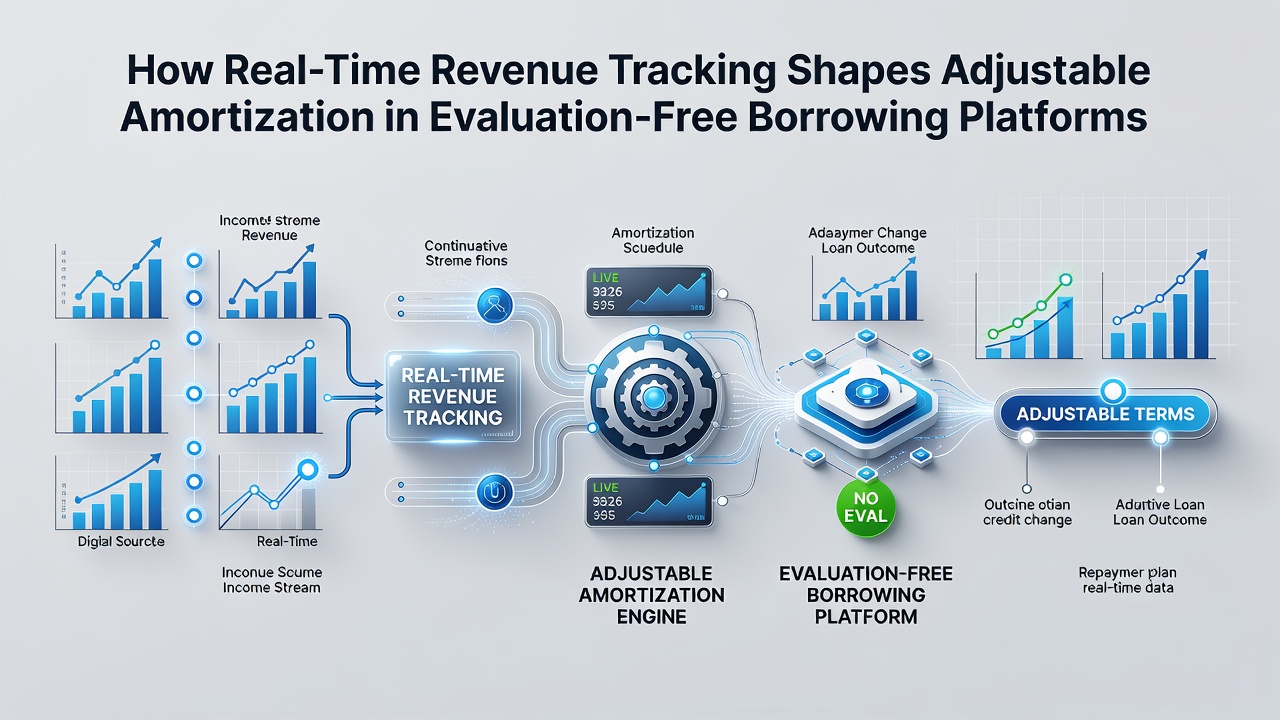
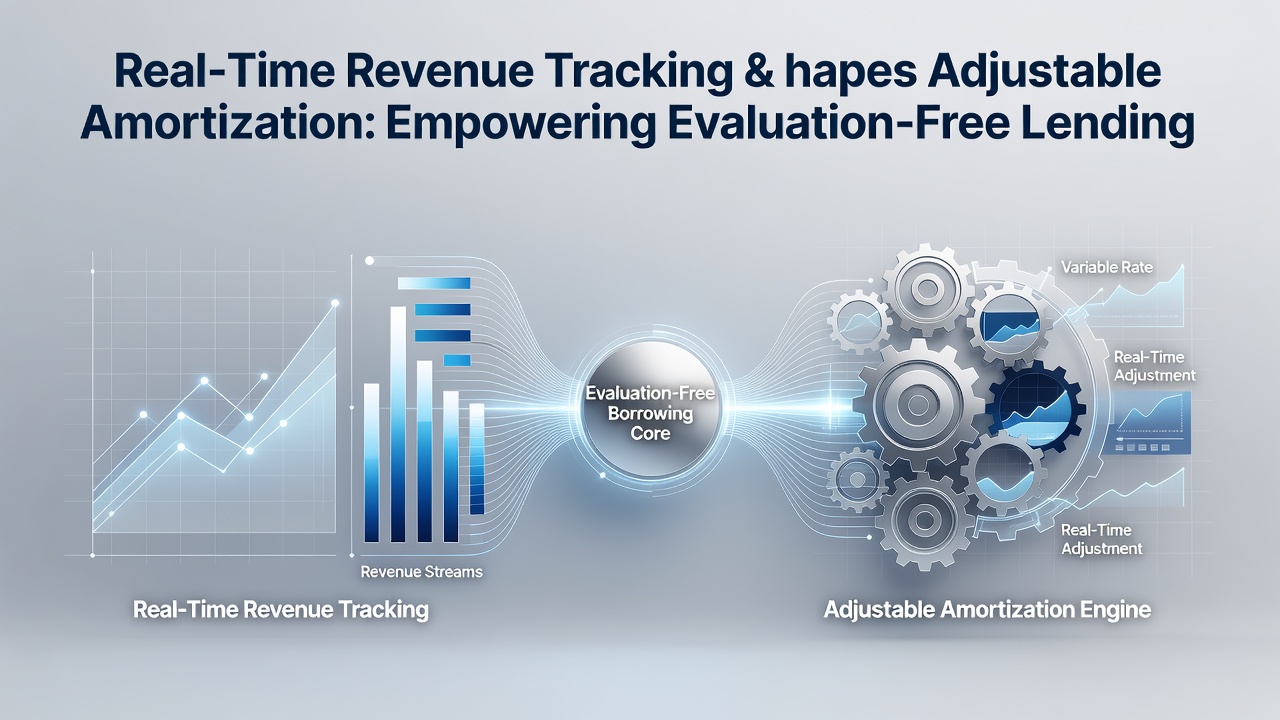
Evaluation-free borrowing platforms process loan requests without traditional credit assessments, relying instead on alternative data streams to approve and structure financing. Real-time revenue tracking integrates directly into these systems by monitoring income flows as they occur through connected bank accounts, payment processors, and accounting software. This continuous data feed allows amortization schedules to shift automatically based on incoming revenue patterns rather than fixed monthly assumptions. Platforms deploy application programming interfaces that pull transaction details at intervals ranging from minutes to hours. When revenue spikes appear in the data, algorithms recalculate remaining principal distributions across future periods. Conversely, dips in tracked inflows trigger extensions of the repayment timeline or reductions in installment amounts to align with available cash. Observers note that such adjustments occur without requiring borrower-initiated requests because the system already holds permissions for live monitoring.Core Mechanics Behind Revenue-Driven Adjustments
Amortization in these environments breaks from standard linear models. Instead of dividing total debt into equal payments over a set term, the process treats each period as variable. Revenue inputs feed into predictive models that forecast short-term cash availability then redistribute obligations accordingly. A borrower whose tracked sales double in one week might see the next two installments increase proportionally while the overall term shortens. Data indicates these recalibrations happen through rule-based engines that apply thresholds. For instance, revenue falling below a platform-defined baseline for three consecutive days can activate a grace window where interest accrual pauses temporarily. Platforms document these rules in borrower agreements, and updates to thresholds often reflect aggregate platform performance rather than individual cases. In July 2026 several major evaluation-free lenders published aggregated statistics showing that 62 percent of active accounts experienced at least one automated amortization change driven solely by revenue signals. Those figures came from internal system logs and did not include manual interventions.Integration with Platform Approval Processes
Approval itself occurs within seconds because initial underwriting skips credit scores and instead validates revenue history over the preceding 90 days. Once funding disburses, the same tracking layer remains active. This continuity means the amortization schedule established at origination never stays static for long. Lenders maintain compliance documentation that records every parameter change, satisfying regulatory expectations in jurisdictions where such lending operates. What's interesting is how third-party accounting integrations strengthen accuracy. When a borrower connects QuickBooks or Xero, the platform receives categorized revenue entries rather than raw bank transactions. This reduces noise from transfers or refunds and produces cleaner signals for amortization engines. Studies from research institutions in Canada have examined similar data flows and found error rates drop when categorized inputs replace unfiltered feeds.Operational Examples Across Different Borrower Profiles
Consider a freelance graphic designer whose platform account links to multiple client payment gateways. During months with large project payouts, tracked revenue triggers higher automatic deductions that accelerate principal reduction. In slower periods the schedule lengthens without penalty because the system already detected the decline. The entire process runs without customer service contact. Another profile involves seasonal retailers. Summer revenue surges prompt the platform to front-load payments, while winter slowdowns extend remaining terms. Because tracking operates continuously, the platform captures these cycles in real time rather than relying on quarterly self-reports. Figures from industry reports reveal that such dynamic handling correlates with lower default incidence compared with static amortization in similar lending environments.