When Irregular Earnings Meet Dynamic Billing: Automated Tools Reshaping Repayment in Barrier-Free Lending Systems
Harper Lange · May 30, 2026
When Irregular Earnings Meet Dynamic Billing: Automated Tools Reshaping Repayment in Barrier-Free Lending Systems
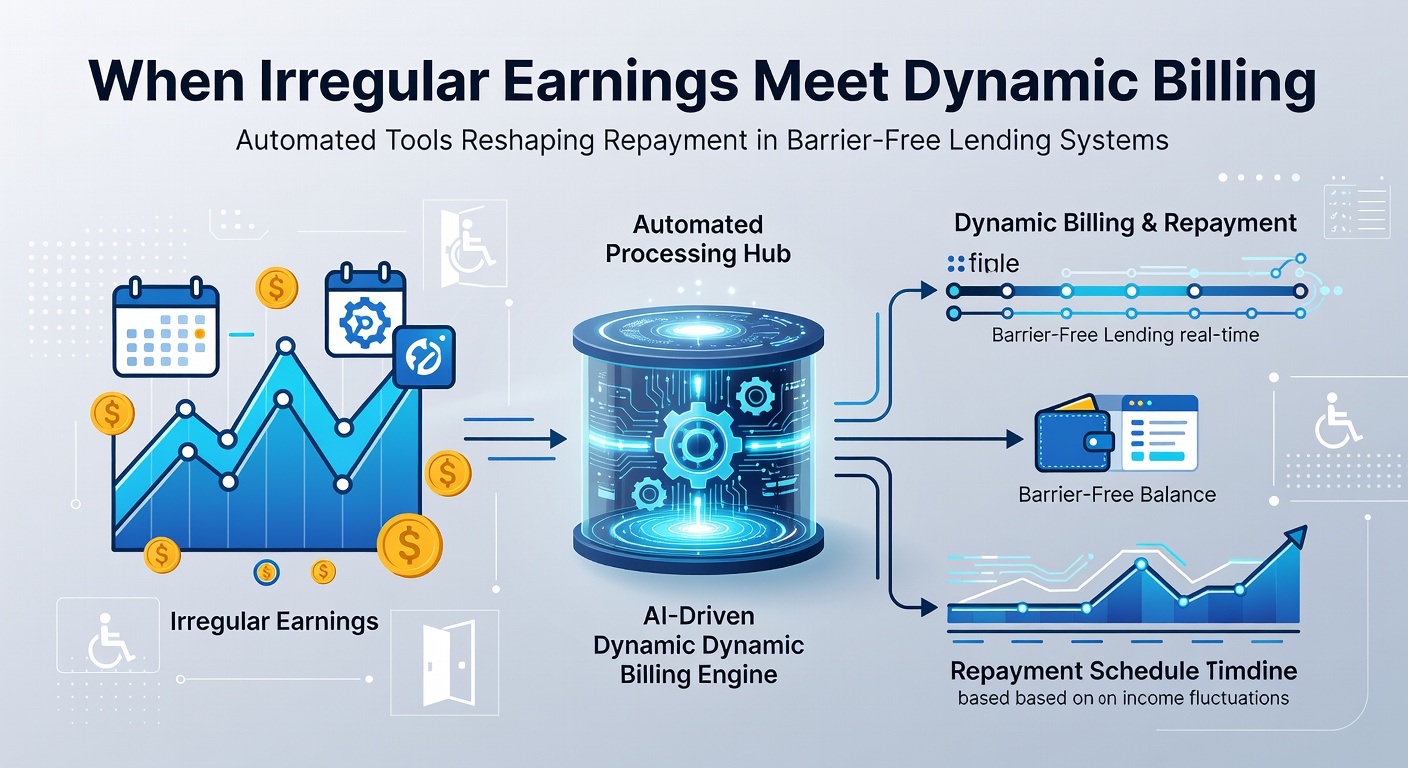
Workers with fluctuating paychecks from gig platforms, seasonal contracts, and freelance projects now interact with lending systems that adjust monthly obligations through software rather than fixed schedules, and automated tools handle these recalibrations in real time. Barrier-free lending arrangements approve borrowers without traditional credit checks, while dynamic billing platforms pull transaction data from connected accounts to modify payment amounts when income rises or drops. In May 2026 several fintech providers expanded their algorithms to incorporate live payroll feeds from multiple employment sources, allowing repayment structures to respond within hours instead of weeks.
Income Variability and Lending Access
Research from the Federal Reserve Bank of New York shows that approximately 36 percent of American adults receive income from non-traditional sources each month, creating patterns that standard amortization tables cannot accommodate. Barrier-free systems bypass initial credit scoring by focusing on bank account activity and cash flow history, yet these same systems require repayment mechanisms capable of tracking irregular deposits. Automated billing engines match incoming funds against scheduled obligations, reducing the frequency of missed payments by recalculating due dates and amounts automatically.
Observers note that earlier fixed-schedule products often forced borrowers into cycles of late fees when a single large client payment arrived after the due date. Current platforms connect directly to accounting software used by freelancers, pulling projected earnings and adjusting the repayment calendar accordingly. One study released by the Australian Securities and Investments Commission in early 2026 documented a 22 percent reduction in delinquency rates among variable-income borrowers who enrolled in automated adjustment programs compared with those on static plans.
Mechanics of Dynamic Billing Automation
Dynamic billing relies on application programming interfaces that link lender dashboards to borrower bank accounts, payroll processors, and invoice platforms. When a deposit exceeds a predefined threshold the system recalibrates the next installment upward, spreading the increase across remaining months. Conversely, when inflows fall below historical averages the algorithm extends the timeline or lowers the immediate obligation, all without requiring manual borrower requests. These adjustments occur through rule-based scripts that financial institutions update quarterly based on aggregated performance data.
Integration with Barrier-Free Approval Processes
Because barrier-free lending skips upfront credit evaluations, repayment reliability depends entirely on post-disbursement monitoring. Automated tools therefore serve as the primary safeguard, flagging accounts that show sustained income decline and triggering outreach through in-app messages rather than collection calls. Data compiled by the European Banking Authority indicates that lenders employing continuous cash-flow monitoring experienced 15 percent fewer charge-offs in 2025 than those relying on monthly self-reported income statements.
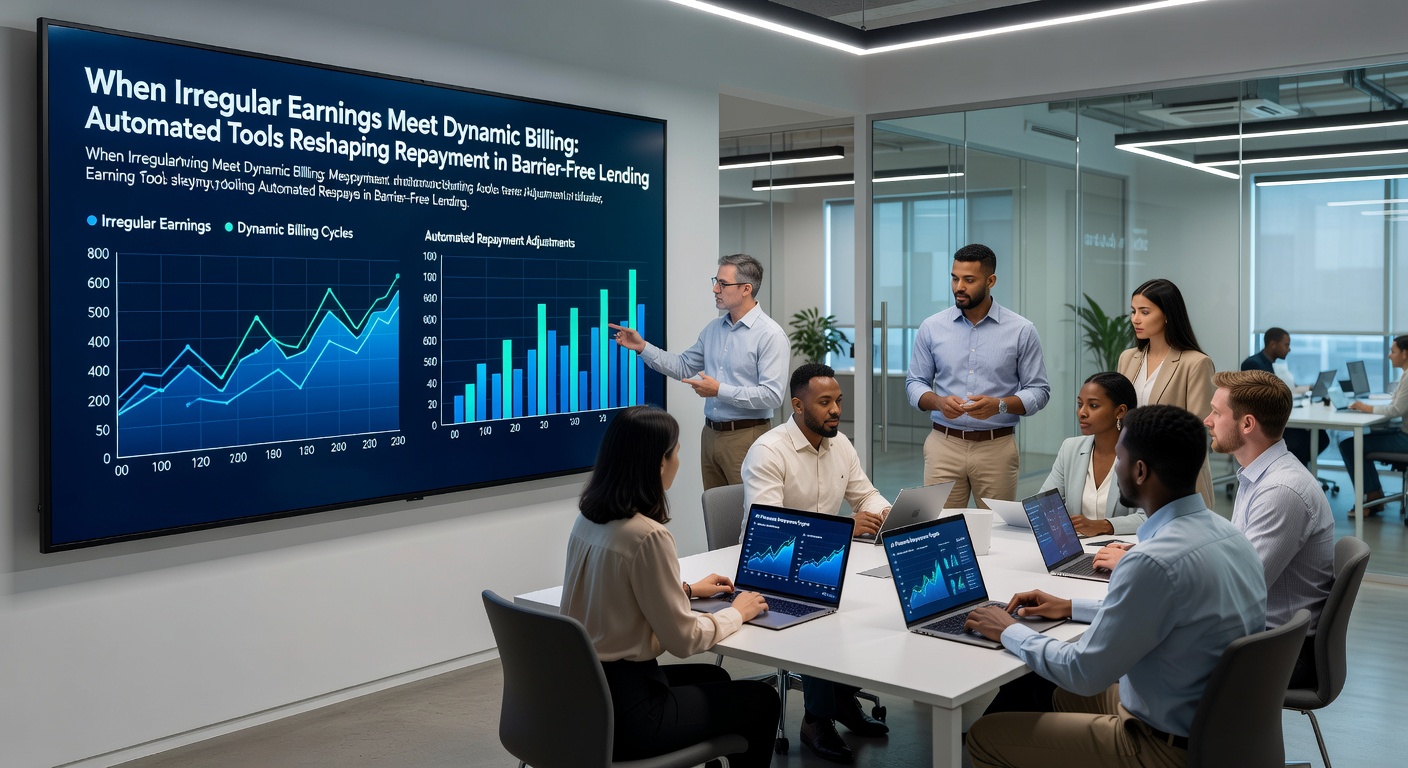
Software developers have introduced machine-learning models trained on anonymized transaction histories to predict upcoming shortfalls up to 14 days in advance. When projections indicate insufficient funds the platform offers borrowers the option to defer a portion of the payment or switch to interest-only mode for one cycle. These interventions remain within the original loan agreement terms, preserving the barrier-free character of the product while maintaining lender risk parameters.
Case Examples from Current Deployments
A Canadian lender operating across three provinces implemented an automated billing layer in late 2025 that connects to both ride-share platform payouts and traditional employer direct deposits. Borrowers receive a weekly summary showing how each deposit altered their amortization schedule, and the system automatically applies surplus funds to principal when earnings exceed forecasts. Internal metrics shared with regulators revealed that 68 percent of participants completed their loans ahead of the original term after the automation launch.
Another deployment in Singapore links to invoicing tools used by independent consultants. The platform detects when an expected client payment fails to arrive and temporarily reduces the scheduled withdrawal from the borrower’s operating account, then restores the original amount once the invoice clears. Researchers at the National University of Singapore tracked 4,200 accounts over nine months and reported that automated schedule changes correlated with a 31 percent drop in customer-initiated contact with support teams.
Regulatory and Technical Considerations
Financial regulators in multiple jurisdictions now require lenders to disclose the logic behind automated repayment adjustments, including the data sources and frequency of recalculations. In May 2026 the Monetary Authority of Singapore issued updated guidance mandating that borrowers receive at least 48 hours’ notice before any algorithm-driven change takes effect. Compliance teams integrate these notification requirements directly into the billing engines so that messages generate automatically alongside each recalculation.
Technical standards for data security continue to evolve alongside these systems. Encryption protocols protect account credentials while allowing read-only access for cash-flow analysis, and third-party auditors perform quarterly penetration tests on the integration points. Industry reports from the World Bank’s fintech unit note that institutions adopting end-to-end encryption for billing automation experienced zero reported breaches related to repayment data during 2025.
Conclusion
Automated tools now form the operational core of repayment management for borrowers whose earnings arrive in irregular patterns, enabling barrier-free lending products to maintain performance without reverting to rigid monthly structures. Continuous data feeds, rule-based adjustments, and predictive modeling together create repayment pathways that respond to actual cash flow rather than assumed income stability. As platforms refine their algorithms and regulators codify transparency requirements, the intersection of variable earnings and dynamic billing continues to define how these lending systems operate at scale.